Common Bird and Bat Problems in Warehouses, Factories, and Plants
Local service providers can help address common bird and bat problems in warehouses, factories, and plants by providing effective removal and prevention solutions.
Visitors exploring concerns about common bird and bat problems in warehouses, factories, and plants are in the right place. These issues can lead to significant disruptions, including property damage, contamination, and health risks, making it essential for property owners to understand the challenges and solutions available. Local contractors specializing in bird and bat removal offer practical services designed to address these problems effectively, helping to maintain a safe and clean environment for operations and staff alike. Continuing to read can provide valuable insights into how these professionals can assist in managing and preventing common pest issues, ensuring that the property remains protected and compliant.
Understanding the nature of bird and bat problems in industrial settings highlights the importance of timely intervention. These creatures often seek shelter in building eaves, rafters, and ventilation systems, which can lead to nesting, droppings, and potential damage to structural components. Local service providers experienced in bird and bat removal can evaluate specific situations and implement humane, effective strategies to resolve these issues. Learning more about their services can help property owners make informed decisions to safeguard their facilities against the ongoing challenges posed by these common pests.
- Bird removal services are often needed when birds establish nests in warehouse rafters or ledges, with local contractors using humane exclusion methods to prevent future infestations.
- Bat removal services are called upon when bats roost inside factory walls or ceiling cavities, with service providers focusing on safe removal and sealing entry points.
- Bird control solutions are essential in preventing damage caused by bird droppings and nesting materials in industrial settings, with local experts implementing deterrent systems.
- Bat exclusion services are necessary when bats are found roosting in plant attics or ventilation systems, with local contractors ensuring humane removal and habitat modification.
- Bird and bat proofing services help address common problems in warehouses, factories, and plants by installing barriers and deterrents to keep pests out long-term.
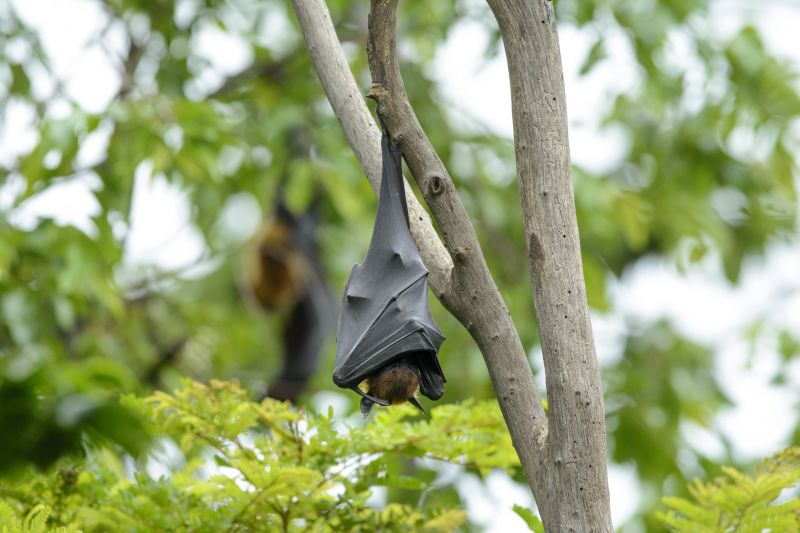
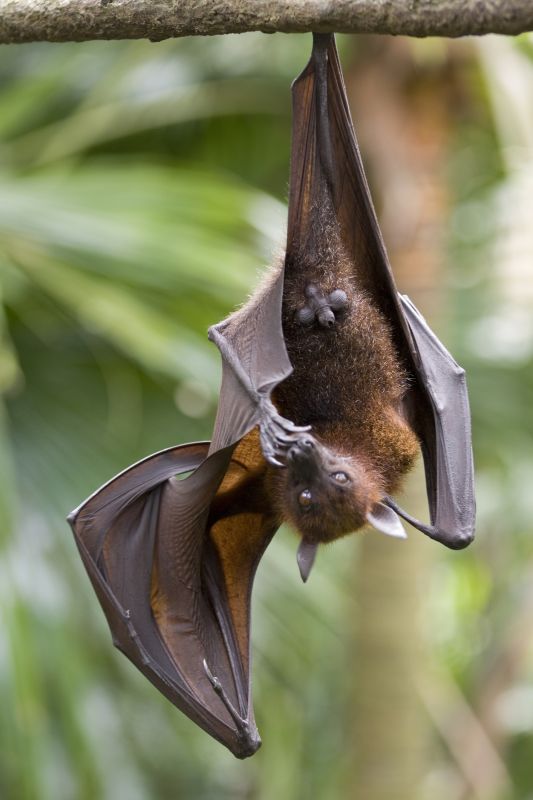
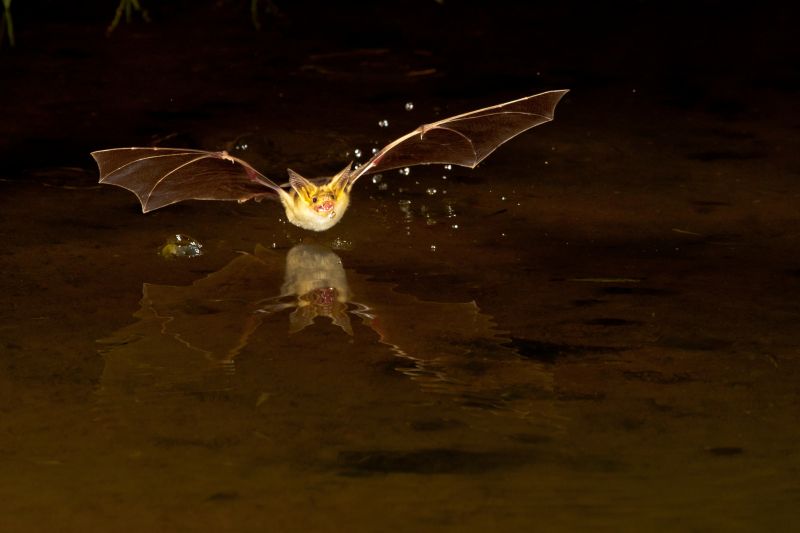
Understanding common bird and bat problems in warehouses, factories, and plants involves recognizing the types of issues that can arise when these animals seek shelter or nesting sites in large commercial properties. These issues often include the accumulation of droppings, nesting materials, and debris that can create unsanitary conditions and pose health risks to workers. Additionally, the presence of birds or bats can lead to structural damage, such as chewed wiring or insulation, and may interfere with operations by creating noise or obstructing ventilation systems. When searching for solutions, property managers and business owners typically look for ways to prevent or address these problems effectively, often considering the role of local service providers who specialize in humane bird and bat removal.
The kinds of problems associated with bird and bat activity in these properties are diverse but interconnected. Birds, such as pigeons and seagulls, tend to roost on rooftops, ledges, and open beams, leaving behind droppings that can corrode building materials and contaminate stored goods. Bats often roost in dark, undisturbed areas like ceiling cavities, attics, or wall voids, where their droppings-called guano-can accumulate and create health hazards. Both animals can also introduce parasites, such as mites and fleas, which may spread to employees or other wildlife. Property owners might also plan for exclusion techniques or habitat modification to prevent future infestations, making the expertise of local contractors in bird and bat removal essential for effective, humane solutions.
Properties most commonly affected by these issues tend to be large commercial facilities with expansive rooflines, open interior spaces, or hidden cavities. Warehouses with high ceilings, industrial plants with extensive ductwork, and manufacturing facilities with accessible wall voids are particularly vulnerable. These properties often provide ideal roosting or nesting sites due to their size and the relative difficulty of monitoring every corner. Business owners and facility managers searching for solutions are often interested in understanding how to prevent recurring problems, which involves working with local service providers experienced in inspecting, sealing entry points, and implementing humane removal methods that minimize disruption to daily operations.
For homeowners or property managers dealing with these issues, understanding the role of local pros in bird and bat removal can be crucial. These specialists can assess the property to identify active roosting or nesting sites, then design customized plans to remove animals safely and prevent future access. Proper exclusion techniques, combined with habitat modification, help ensure that birds and bats do not return, reducing health risks and property damage. Connecting with experienced service providers can provide peace of mind that the problem is addressed humanely and effectively, aligning with the goal of maintaining a clean, safe, and operationally efficient facility.
Building inspection projects involve identifying entry points and nesting sites that attract birds and bats in large structures like warehouses and factories, similar to pest exclusion work.
Wildlife exclusion services focus on sealing and repairing structures to prevent bird and bat entry, requiring planning and tools comparable to those used in bird and bat removal.
Bird and bat proofing projects include installing barriers and deterrents to keep wildlife out of industrial buildings, aligning with the skills needed for warehouse and factory wildlife management.
Rodent and pest proofing work often overlaps with bird and bat exclusion, as both require understanding of building vulnerabilities and the use of similar exclusion techniques.
Attic and roof sealing services involve closing off access points that birds and bats use, which is a common aspect of managing common bird and bat problems in large facilities.
Wildlife habitat modification projects aim to make structures less attractive to birds and bats by altering surrounding environments, a strategy often employed in warehouse and factory wildlife control.
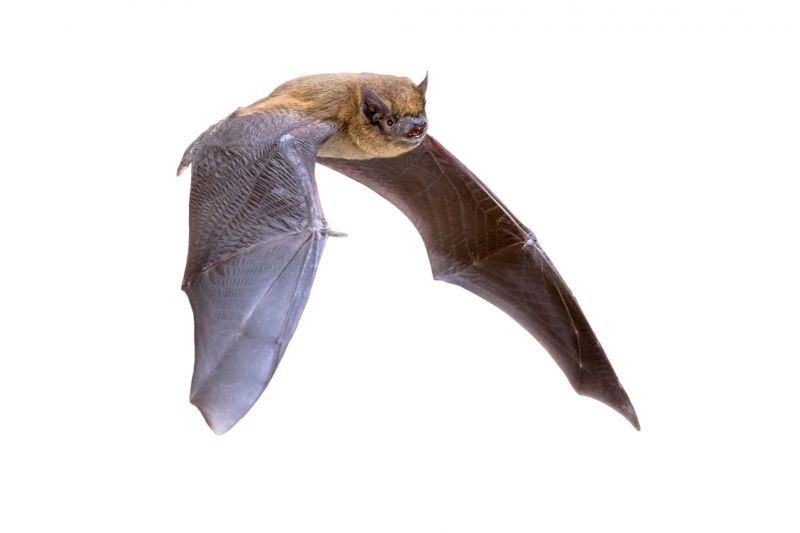
When comparing service providers for bird and bat removal in warehouses, factories, and plants, it’s important to consider their experience with similar projects. Local contractors who have handled bird and bat problems in commercial environments are more likely to understand the unique challenges these structures present. They can provide insights into effective removal strategies and prevention methods tailored to large, industrial spaces. Asking about their past work with facilities similar in size and use can help gauge their familiarity with the specific issues that arise in these settings, such as access points and ongoing maintenance concerns.
Clear written expectations are essential when evaluating potential contractors. A reputable service provider should be able to outline the scope of work, including inspection procedures, removal methods, and follow-up measures, in a detailed and understandable manner. This helps ensure there is no ambiguity about what services will be provided and what results can be reasonably expected. Having these expectations documented can also serve as a reference point should any questions or concerns arise during or after the project.
Reputable references and good communication are key indicators of a reliable contractor. Service providers with a solid track record in managing bird and bat problems in industrial environments can offer references from previous clients who faced similar challenges. These references can provide insight into the contractor’s professionalism, reliability, and effectiveness. Additionally, clear and responsive communication throughout the process helps ensure that all questions are addressed, expectations are managed, and any unforeseen issues are promptly discussed. This level of transparency can contribute to a smoother experience when dealing with common bird and bat problems in large facilities.
Property owners often search for common bird and bat problems in warehouses, factories, and plants when they are planning practical projects around their homes and businesses. Local pros provide Bird and Bat Removal services for everyday jobs and straightforward project options.
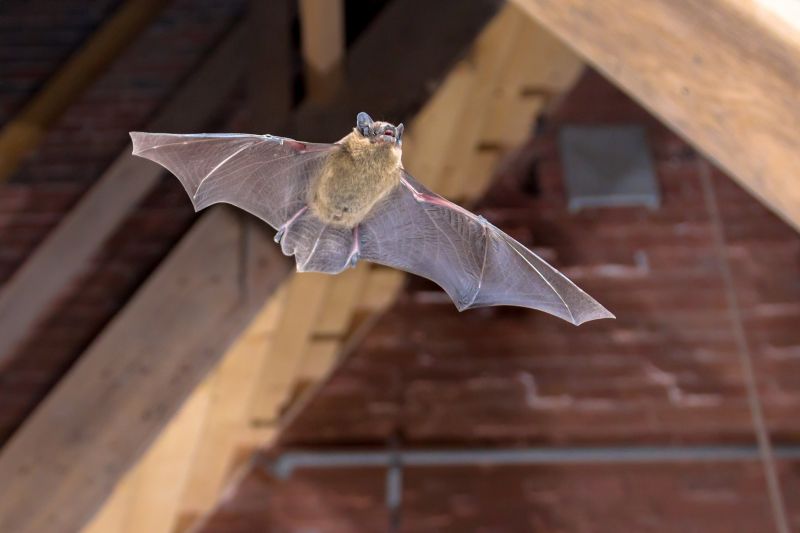
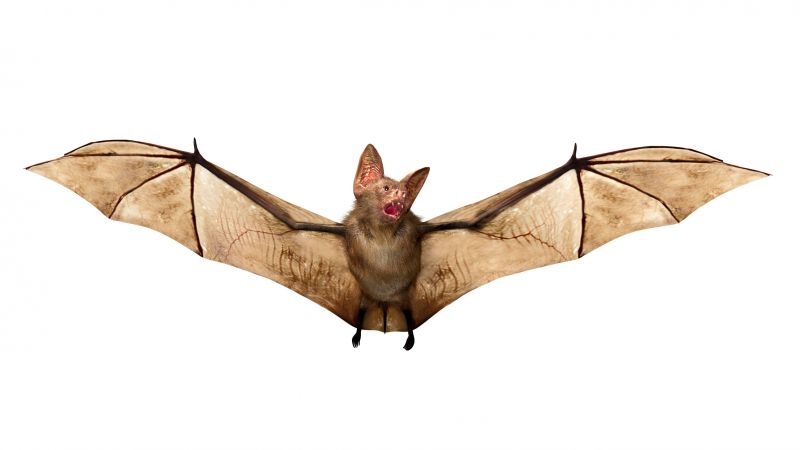
Understanding common bird and bat problems in warehouses, factories, and plants can help property owners address issues that may disrupt operations or cause damage. Birds and bats often seek shelter in these types of structures, especially in areas with open rafters, vents, or unused spaces. Their presence can lead to concerns such as droppings, nesting materials, and debris accumulation, which might affect sanitation and safety standards. Property owners in the area might look up this topic to learn about effective removal methods and to find local contractors who specialize in managing these pests safely and efficiently.
Many local service providers offer bird and bat removal services tailored to the unique needs of industrial and commercial properties. These professionals can help identify entry points, remove nesting sites, and implement deterrents to prevent future invasions. Property owners searching for solutions often seek experienced local contractors who understand the common challenges faced in warehouses, factories, and plants. Connecting with these specialists can help maintain a clean, safe environment while addressing the underlying causes of bird and bat problems.
What are common bird problems in warehouses, factories, and plants? Birds often create issues such as nesting in rafters, dropping droppings that contaminate products, and causing structural damage with their nests. Local contractors can help address these problems through humane removal and exclusion methods.
How do bats typically cause problems in industrial facilities? Bats may roost in dark, undisturbed areas, leading to contamination from droppings, which can pose health risks and damage building materials. Local service providers can safely remove bats and prevent future roosting sites.
What are signs of bird or bat infestations in a facility? Signs include visible nests, droppings on surfaces or equipment, sounds of flapping wings, and sightings of live birds or bats. Local pros can conduct inspections and recommend removal strategies.
Are bird and bat problems in industrial buildings a health concern? Yes, bird and bat droppings can carry diseases and cause respiratory issues, especially when accumulated over time. Local contractors can implement cleaning and exclusion solutions to reduce health risks.
What solutions are available for preventing bird and bat problems? Exclusion barriers, netting, and sealing entry points are common methods. Service providers experienced in bird and bat removal can install these measures to keep pests out of warehouses, factories, and plants.
Identify entry points - property owners can work with local contractors to locate and seal gaps or openings that allow birds and bats to enter warehouse or factory buildings.
Install deterrents - applying humane deterrent devices or barriers can help prevent birds and bats from roosting in problem areas, with guidance from local service providers.
Schedule regular inspections - routine checks by local pros can detect early signs of bird or bat activity, enabling prompt removal and prevention measures.
Implement exclusion techniques - professionals can assist in safely removing existing bird and bat colonies and installing exclusion devices to prevent future issues.
If you are thinking about common bird and bat problems in warehouses, factories, and plants for a property, this guide is meant to help you understand this topic, the typical project types, and how different options might fit your plans.
When you are ready, you can use the quote form on this page to share a few details about your project. From there, local pros can review the basics and follow up with options that match what you have in mind.