Humane Bird and Bat Deterrent Methods for Large Buildings
People searching for humane bird and bat deterrent methods for large buildings aim to safely prevent pest roosting, and local service providers can help implement effective, humane solutions.
If you own or manage large buildings in the area, understanding humane bird and bat deterrent methods can be an essential part of maintaining a safe and comfortable property. Birds and bats often seek shelter in large structures, which can lead to issues such as debris buildup, noise, and potential health concerns. Exploring effective, humane solutions helps ensure these animals are kept away without causing harm, aligning with responsible property management practices. Local contractors specializing in bird and bat deterrent methods are equipped to assess your building’s unique needs and recommend strategies that prioritize animal welfare while protecting your property.
Many property owners find value in exploring humane bird and bat deterrent methods to prevent unwanted wildlife from nesting or roosting in large buildings. These methods can be practical for maintaining building integrity, reducing cleanup efforts, and avoiding conflicts with local wildlife regulations. Service providers in the area are experienced in implementing humane deterrent techniques that are both effective and respectful of the animals involved. Continuing to read can provide insights into the options available and how local experts can assist in creating a wildlife management plan tailored to your property’s requirements.
- Humane Bird and Bat Deterrent Methods for Large Buildings - Building owners experiencing bird or bat infestations may seek humane deterrent solutions, with local service providers specializing in non-lethal exclusion techniques.
- Humane Bird and Bat Deterrent Methods for Large Buildings - When large structures attract excessive bird or bat activity, local contractors can implement humane deterrent methods that prevent roosting without harm.
- Humane Bird and Bat Deterrent Methods for Large Buildings - Property managers looking to comply with wildlife protection guidelines often turn to local pros skilled in humane bird and bat exclusion for large buildings.
- Humane Bird and Bat Deterrent Methods for Large Buildings - In cases of persistent bird or bat presence causing damage or sanitation issues, local service providers can apply humane deterrent techniques suited for big structures.
- Humane Bird and Bat Deterrent Methods for Large Buildings - When traditional methods fail to address bird or bat problems on large buildings, local contractors can offer humane solutions that are effective and compliant.
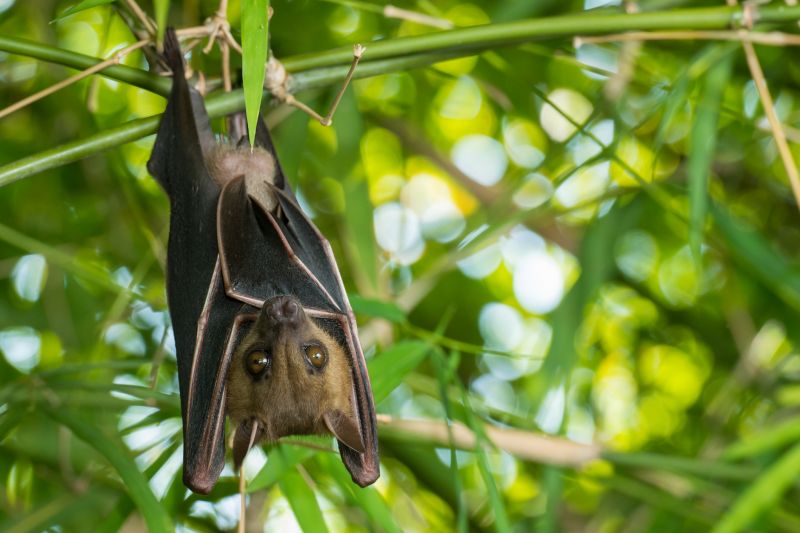
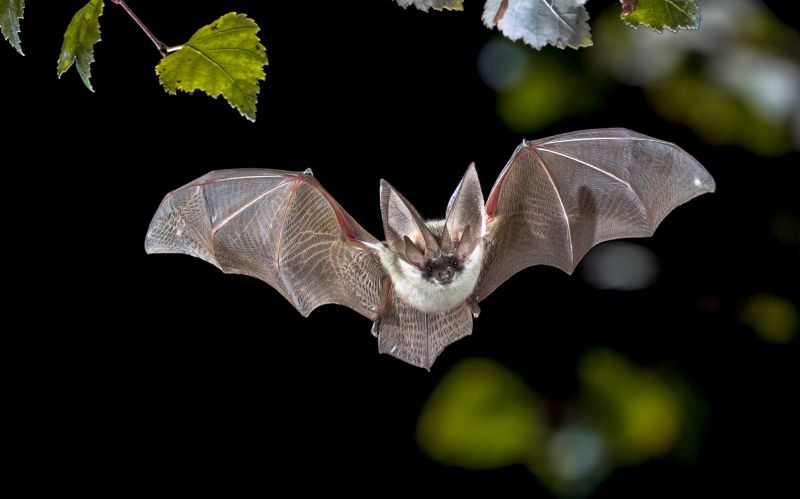
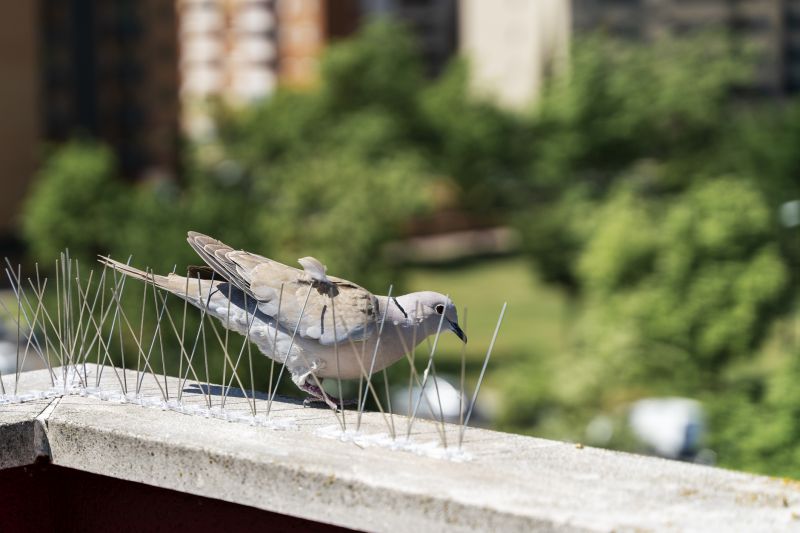
When searching for humane bird and bat deterrent methods for large buildings, most people are looking for ways to prevent these animals from roosting or nesting on their property without causing harm. Large commercial structures, warehouses, office towers, and multi-unit residential complexes often attract birds and bats due to their size, ledges, eaves, or crevices. Property owners and managers may be concerned about the damage, mess, or health risks associated with these pests, prompting them to seek effective, humane solutions. The goal is to find methods that discourage animals from settling in specific areas while ensuring their safety and well-being, aligning with ethical considerations and local regulations.
These projects typically involve addressing problems such as excessive droppings, noise, and potential structural damage caused by bird and bat activity. For example, large buildings with flat roofs or extensive overhangs can become ideal roosting sites. Property managers might also plan to prevent future infestations or resolve ongoing issues caused by nesting or roosting behaviors. Humane deterrent methods are often part of broader pest management plans that aim to exclude animals without harming them, which is especially important for species protected by law. Local service providers specializing in humane bird and bat deterrent methods can evaluate the property, recommend appropriate exclusion techniques, and install humane deterrents that fit the building’s design and use.
The types of properties that typically come up in these projects include commercial office buildings, industrial warehouses, shopping centers, hospitals, and large apartment complexes. These structures often have architectural features that provide ideal roosting or nesting spots, such as ledges, open eaves, or unused spaces. Additionally, institutional buildings like schools or government facilities may seek humane solutions to manage bird and bat populations while maintaining compliance with local wildlife regulations. Property owners and managers of these properties usually look for practical, long-term deterrent strategies that are minimally disruptive and align with their operational needs.
Understanding how humane bird and bat deterrent methods fit into real projects helps property owners see their options clearly. Local service providers can assess the specific challenges of a large building, recommend suitable exclusion devices, and install humane deterrents like bird spikes, netting, or bat-proofing systems. These professionals work to ensure that the building remains protected from unwanted animal activity while respecting the animals’ needs. By connecting with experienced local contractors, property owners can find effective, humane solutions tailored to their property’s unique features and requirements, helping to manage bird and bat activity responsibly and efficiently.
Bird exclusion projects involve installing physical barriers and deterrents on large buildings, utilizing skills similar to humane bird deterrent methods to prevent bird nesting and roosting.
Bat house installation and management requires understanding bat behavior and designing humane solutions, aligning with strategies used in humane bat deterrent methods for large structures.
Building wrap and netting installation involves planning and precise installation of barriers to keep birds and bats away, paralleling the planning involved in humane deterrent methods.
Wildlife exclusion and egress solutions focus on humane removal and prevention techniques, sharing techniques and planning strategies with humane bird and bat deterrent services.
Raptor perch deterrent system setup uses visual and physical deterrents to discourage birds from large buildings, similar to methods used in humane bird deterrent projects.
Structural modifications for wildlife prevention involve assessing building design and implementing humane deterrent measures, requiring skills comparable to those used in humane bird and bat deterrent methods for large buildings.
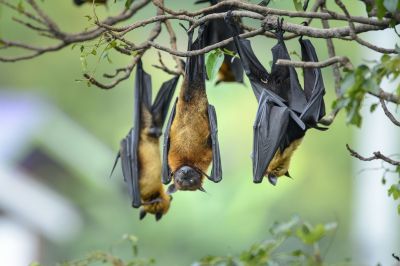
When comparing service providers for humane bird and bat deterrent methods for large buildings, it is important to consider their experience with similar projects. A contractor with a history of working on large-scale structures and implementing humane deterrent solutions is more likely to understand the unique challenges involved. This experience can translate into more effective and efficient methods tailored to the specific needs of large buildings, helping to ensure that the deterrent strategies are appropriate and successful.
Clear written expectations are essential when evaluating local contractors for humane bird and bat deterrent methods. A reputable service provider should be able to provide detailed descriptions of the proposed methods, the scope of work, and the anticipated outcomes. Having this information in writing helps prevent misunderstandings and ensures that all parties are aligned on the project goals, procedures, and responsibilities from the outset.
Reputable references and good communication are key indicators of a reliable service provider. When considering different options, it is helpful to seek out references from previous clients who have had similar work completed. This feedback can provide insights into the contractor’s professionalism, reliability, and effectiveness. Additionally, a contractor who communicates clearly and promptly can make the process smoother, providing updates and answering questions throughout the project, ultimately leading to a more satisfactory experience when implementing humane bird and bat deterrent methods for large buildings.
Property owners often search for humane bird and bat deterrent methods for large buildings when they are planning practical projects around their homes and businesses. Local pros provide Humane Bird and Bat Deterrent Methods services for everyday jobs and straightforward project options.
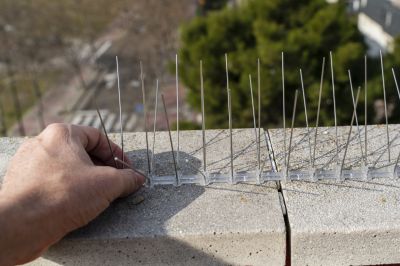

Large buildings in the area often attract birds and bats, leading property owners to seek humane deterrent methods that prevent these animals from roosting or nesting on their structures. Common situations include concerns about property damage, health hazards, or simply wanting to avoid the mess and noise associated with bird and bat colonies. When facing these issues, many look up humane bird and bat deterrent methods to find effective solutions that do not harm the animals, making it important to connect with experienced local contractors who specialize in these humane approaches.
Property owners considering humane deterrent methods often want to ensure that the solutions are both effective and safe for the animals. Local service providers who focus on humane bird and bat deterrent methods can assess the specific needs of large buildings and recommend appropriate, non-lethal strategies. These professionals are equipped to handle various situations, providing peace of mind that the animals are managed responsibly while protecting the building’s integrity and appearance. Connecting with qualified local contractors can help ensure that the deterrent methods are carried out properly and in accordance with best practices.
What are humane bird and bat deterrent methods for large buildings? Humane bird and bat deterrent methods for large buildings include techniques such as visual deterrents, exclusion devices, and habitat modification that discourage roosting without causing harm.
How do local service providers implement humane bird and bat deterrent techniques? Local service providers assess building structures and apply humane deterrent solutions like netting, spikes, or ultrasonic devices to prevent birds and bats from settling.
Are humane deterrent methods effective for large buildings? Yes, when properly installed by experienced service providers, humane deterrent methods can effectively reduce bird and bat presence on large buildings without causing injury.
Can humane bird and bat deterrent methods be customized for different building types? Absolutely, local contractors can tailor humane deterrent strategies to suit various building designs and specific pest behaviors for optimal results.
What should be considered when choosing humane deterrent options for large buildings? Factors such as building layout, pest species, and long-term effectiveness are important and can be evaluated by local service providers to select the most suitable humane methods.
Bird and Bat Deterrent Device Installation - Professionals can install humane deterrent devices such as spikes or netting to prevent birds and bats from roosting on building surfaces. This approach helps keep large structures clear of unwanted wildlife while ensuring humane treatment.
Exclusion and Barrier Solutions - Local contractors can create custom exclusion barriers around vents, eaves, and other entry points to block access for birds and bats without harming them. These barriers provide a long-term, humane solution for large buildings.
Habitat Modification Strategies - Service providers can advise on modifying surrounding environments to make areas less attractive to birds and bats, reducing their tendency to settle on large structures. Such adjustments support humane deterrent methods effectively.
Regular Maintenance and Inspection - Routine checks by local pros ensure that deterrent systems remain effective and intact, preventing wildlife from establishing nesting sites on large buildings over time.
If you are thinking about humane bird and bat deterrent methods for large buildings for a property, this guide is meant to help you understand this topic, the typical project types, and how different options might fit your plans.
When you are ready, you can use the quote form on this page to share a few details about your project. From there, local pros can review the basics and follow up with options that match what you have in mind.